Scaling Community-Based Zero Waste
Zero Waste Transition Fund
Scaling Community-Based Zero Waste Initiatives in Asia Pacific through the Zero Waste Transition Fund
Over the past five years, the Zero Waste Cities Project coordinated by GAIA Asia Pacific supported nearly 100 communities and cities in Asia to adopt Zero Waste systems. Communities from the UNESCO World Heritage site of Hoi An in Vietnam to the island province of Siquijor in the Philippines are seeing real socio-economic and environmental gains. Yet, sustainable financing remains a major challenge. Most initiatives depend on short-term, project-based funding that limits scaling and long-term impact.
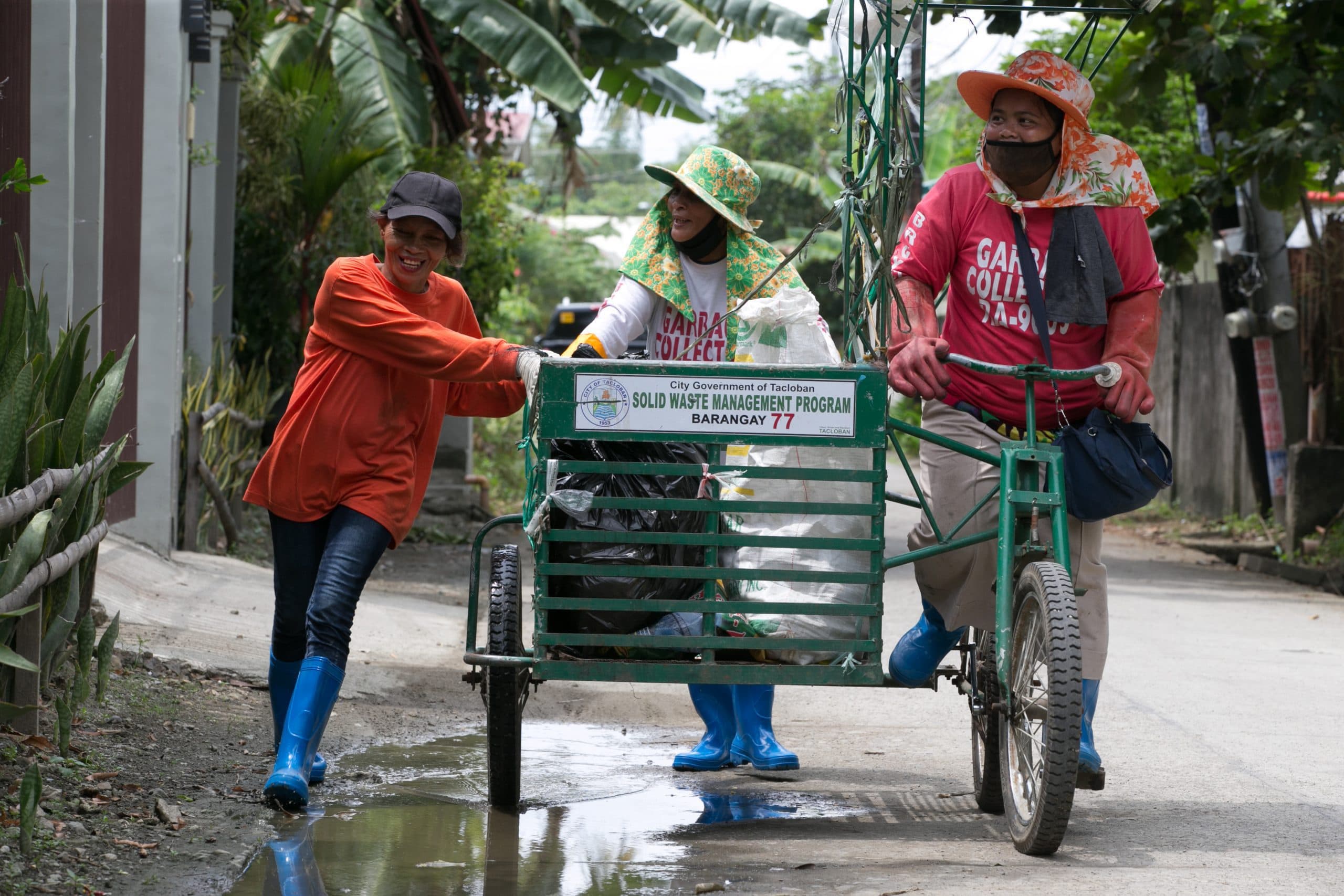
GAIA Asia Pacific designed the Zero Waste Transition Fund Pilot to test funding models for community-led Zero Waste work. The pilot informs the development of the full Zero Waste Transition Fund in 2026. It focused on supporting locally grounded solutions and building capacity to manage a larger fund through testing different grant mechanisms and processes.
Since July 2025, GAIA has received 57 Expressions of Interest from members. Thirty-eight projects across 16 countries were supported, totaling more than USD 300,000. Funding covered three levels of work, early-stage initiatives, scaling models, and systemic interventions. The pilot supported community-led solutions, strengthened informal waste workers, and advanced environmental justice.
Let us scale more community projects in the Asia Pacific. Connect with us through [email protected].
Grantees and Projects
Projects by country
In July 2025, the pilot moved from setup to full implementation. From Bangladesh to Vietnam, the pilot is now supporting grassroots initiatives, empowering waste workers and waste pickers, and driving practical solutions for climate action, circular economies, and environmental justice. The projects are showing locally led approaches that reduce waste and strengthen communities.
Country
Bangladesh
From coastal communities to municipal pilots, grantees are scaling locally grounded Zero Waste ecosystems.
Environment and Social Development Organization (ESDO)
Scaling the Zero Waste Community Model: Biogas, Composting, and Circular Economy in Bangladesh
Scales a self-sustaining system that cuts methane by 40% through biogas and community composting while a women-led reuse hub produces 100+ alternatives monthly and informs 2026 policy.
Grambangla Unnayan Committee
Initiatives of Zero Waste Transition in Kuakata Coastal Town of Bangladesh
Builds a replicable model for Kuakata that reduces plastic and organic waste, protects marine life, and promotes responsible tourism.
Country
China
Pilot projects link rural waste systems with environmental education and data-led cleanup.
Zero Waste Pilot Project
Giant Panda National Park
Establishes a rural waste management model with recycling, hazardous waste collection, and ecological tea cultivation training.
Coastal Cleanup Network
Zero-Waste Awareness in Dalian
Mobilizes volunteers to clean a 2-km coastline, track waste data, and engage schools through reuse stations and art installations.
Country
Hong Kong
City-led campaigns showcase packaging reduction and behavior change.
Greeners Action
Zero Packaging Fiesta
Hosts workshops, demonstrations, and naked-shop vendors to reduce packaging waste and promote sustainable living.
Country
India
A diverse portfolio supports just transition research, waste picker leadership, and Himalayan Zero Waste systems.
THANAL
Building Green Future: Just Transition Framework in Tribal Development, Kulathupuzha
Supports eco-friendly livelihoods for 413 Indigenous families and establishes a compost training center to reduce landfill waste.
Chintan Environmental Research and Action Group
Waste-to-Energy in India: Empowering Stakeholders for Informed Dialogue
Assesses environmental, social, and health risks of WtE and compares them with Zero Waste alternatives.
Alliance of Indian Waste Pickers
Building Capacities for Waste Picker Engagement in Zero Waste Models
Strengthens leadership and capacity so waste picker communities can integrate into municipal Zero Waste systems.

Deer Park Institute / Siddharthas Intent Society
Zero Waste Himalaya Network Meeting
Convenes stakeholders across the Himalayas to align on Zero Waste and climate action.
Bethany Society
Zero Waste Wonders: Meghalaya's Must-See Eco Classroom
Builds four community Zero Waste systems, trains 500 stakeholders, and sets up education and resource centers.
Waste Warriors Society
Building End-to-End Waste Management Solutions in Indian Himalayan Urban Settlements
Implements household segregation, recycling, and composting while integrating informal waste pickers as Green Workers.
ParyavaranMitra
Sustainable Ahmedabad: Building a Zero Waste Future Together
Engages communities, businesses, and policymakers through workshops, campaigns, and advocacy for circular economy adoption.
Country
Indonesia
Multi-province projects document waste worker realities, advance just transition policy, and build Zero Waste islands.

Yaksa Pelestari Bumi Berkelanjutan (YPBB)
Exploring Waste Workers' Voices: Documentation and Mapping Toward a Just Transition
Documents experiences of household waste collectors in Bandung and Cimahi to inform an inclusive national strategy.
Gita Pertiwi
Tracing the Stories Behind the Piles of Garbage: Mapping the Initial Strategy of Equitable Transition for Waste Workers in Surakarta City
Conducts participatory assessments of waste pickers impacted by WtE to design advocacy tools and inclusive strategies.

Pusat Pendidikan Lingkungan Hidup (PPLH) Bali
Listening to the Grassroots: Data Gathering and Preliminary Just Transition Strategy for Waste Sector Workers in Denpasar, Bali
Collects socioeconomic and policy data from informal waste workers to shape a local just transition roadmap.
Nol Sampah Indonesia
Waste Worker Data Collection and Mapping in East Java
Organizes and maps household waste collectors in Surabaya and Malang to strengthen advocacy and inclusion.
Wahana Lingkungan Hidup Indonesia (WALHI) Yogyakarta
Building a Zero Organic Waste Movement at Beringharjo Market Through Informal Female Porters: From Waste to Economic Gain
Empowers female porters with training and community enterprises to manage organic waste and generate income.
Wahana Lingkungan Hidup Indonesia (WALHI) Central Java
Cultivating Calamity: Investigating WtE Ash Pollution
Analyzes the toxicity of incinerator ash to support community advocacy and environmental justice.
Wahana Lingkungan Hidup Indonesia (WALHI) Central Java
Karimunjawa: Toward a Zero Waste Island
Builds a Zero Waste island model through source reduction, plastic phase-out, and youth and women leadership.
ECOTON
Igniting Zero Waste Futures in East Java's Riverfront Villages through the REBORN
Implements upstream waste reduction to stop plastic pollution and strengthen community resilience.
Country
Malaysia
Policy design and business expansion help mainstream plastic reduction.
Zero Waste Sabah
Co-Creation of a Plastic Reduction Policy in Tuaran
Runs town halls and multi-stakeholder workshops to shape a district-level plastic reduction policy.
Zero Waste Malaysia
Scaling Up Zero-Waste Accessibility: The Refiller Mobile Expansion Project
Expands a mobile Zero Waste business to reach 10,000 additional households with reusable options.
Country
Mongolia
Digital tools support national visibility and movement building.
Ecosoum
Developing a Zero Waste Mapping App for Mongolia
Builds a national Zero Waste map to increase visibility and counter false solutions like WtE.
Country
Myanmar
Community-led systems stabilize waste management in self-controlled towns.
Thant Myanmar
Zero Waste in Two Mountain Towns
Implements Zero Waste systems in two towns in Kayin and Karenni states through community-led practices.
Country
Nepal
Grants integrate waste workers into livelihoods and expand community-led alternatives.
Aama Nepal Foundation
Empowering Marginalized Communities through Zero Waste Livelihoods in Birganj
Integrates informal waste workers, promotes household composting, and supports women-led micro-enterprises.
Health Environment and Climate Action Foundation
From Awareness to Action: Strengthening Community-Led Alternatives and Replicable Zero Waste Models in Nepal
Scales awareness, segregation, and green livelihoods while building inclusive partnerships for long-term adoption.
Country
Pakistan
A national alliance pairs policy innovation with informal sector integration.
Dr Akhtar Hameed Khan Memorial Trust
Zero Waste Movement through Informal Sector Integration in Swat
Recognizes informal waste workers, advances decentralized processing, and engages municipal authorities.
Sustainable Development Policy Institute
Zero Waste Alliance Pakistan: Policy, Innovation & Collective Action
Launches a national alliance to promote Zero Waste practices and support local innovations.
Country
Philippines
Community organizing, media, and policy advocacy spotlight Zero Waste leadership.
Mother Earth Foundation
Empowering Philippine National Waste Workers Association (PNWWA) Members through Community Organizing
Builds waste worker advocacy, leadership, and knowledge exchange through training and study tours.
Zero Waste Baguio Inc.
TAWID: A Quad-Media Approach to Mainstreaming Zero Waste Solutions
Equips media and youth with Zero Waste knowledge, producing multi-platform content and public forums.
Green Empowered Alliance
People-Powered Solutions: Community Leadership for Incineration Transparency and Zero-Waste Iloilo City
Advocates against incineration while mobilizing communities for policy development and accountability.
Country
South Korea
Public institution pilots prove replication-ready models.
Mapo Resource Circulation Network
Zero Waste Mapo Youth Center
Pilots a Zero Waste public institution model, reducing waste by 30% and encouraging citywide replication.
Country
Viet Nam
Research, school-based behavior change, and informal sector integration build a pipeline of scalable solutions.
Vietnam Zero Waste Alliance
Comparative Assessment of Solid Waste Management Scenarios in Da Nang
Compares landfill, WtE, and Zero Waste approaches to guide local policy on sorting and circular economy.
Center for Adaptive Capacity Building Research (CAB)
Scaling Up Participatory Plastic-Free Kindergartens in Da Nang
Promotes behavior change among teachers, students, and parents to scale plastic-free school models.

Center for Supporting Green Development (GreenHub)
From Dak Lak to the Region: Scalable Zero Waste Solutions by and for Communities
Pilots community-led composting and recycling for 120 households and 150 women waste workers.

Pacific Environment Vietnam
Green Students Hub: Empowering Students for Zero Waste Future
Establishes Green Student Hubs in four universities, building youth leadership and action plans.

Building Up Sustainability Centre
Integrating the Informal Waste Sector into Vietnam's Extended Producer Responsibility Framework: The Case of Da Nang
Creates a roadmap to integrate informal waste workers into EPR systems and improve working conditions.
Keep Vietnam Clean
Driving Reuse & Repurpose: The Green Gem Expansion Project
Expands reuse networks, promotes circular lifestyles, and strengthens organizational capacity.